
Comprehensive Guide on Nurturing Newborns in Nigeria: Insights Revealed
In Nigeria, ensuring the well-being and survival of newborns is of utmost importance due to high infant mortality rates. Proper care, tailored to the Nigerian context, can significantly reduce the risks associated with harmful bacteria, viruses, and other pathogens.
Hygiene
Maintaining clean conditions around the newborn is critical to prevent infections such as sepsis and ophthalmia neonatorum, common concerns in Nigeria. Staff engagement in Nigerian hospitals emphasizes infection prevention through promoting maternal and caregiver hygiene and thorough clinical assessments for infections. The use of prophylactic ocular agents at birth, such as erythromycin ointment, is employed to prevent eye infections from maternal STIs.
Feeding
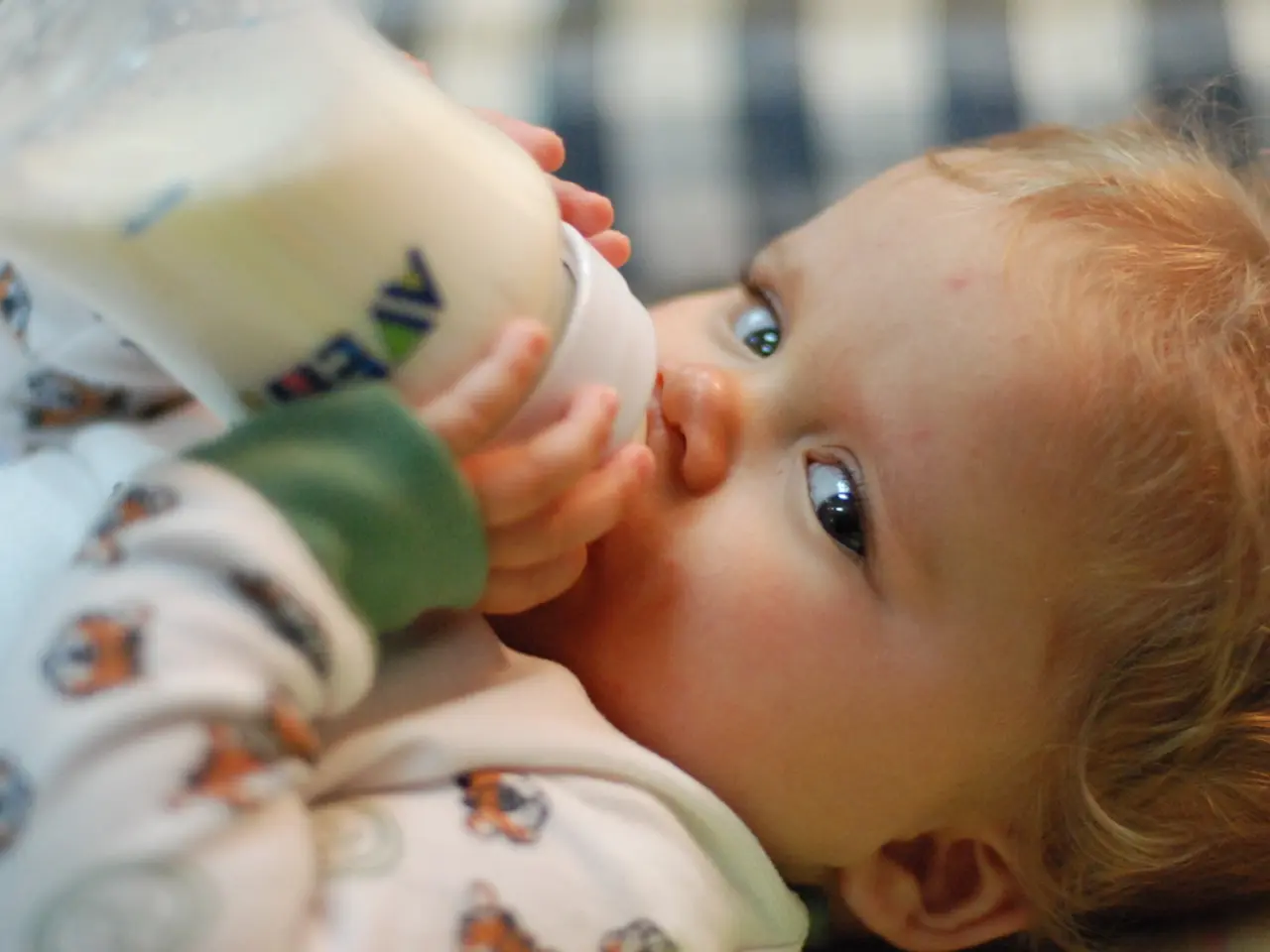
Exclusive breastfeeding, supported by health education in Nigeria, is widely advocated for its benefits in providing optimal nutrition and immunity. Monitoring feeding tolerance and hydration is crucial, especially to detect early signs of systemic infection or feeding difficulties.
Sleep
Safe sleep practices are encouraged, although specific Nigeria-tailored guidelines are less documented. Generally, newborns should be placed on their backs to sleep, in a safe environment that reduces the risk of sudden infant death syndrome (SIDS) and hypothermia, considerations important in many low-resource settings.
Recognizing Signs of Illness
Nigerian neonatal care stresses early identification of systemic symptoms such as fever, feeding intolerance, respiratory distress, and skin or mucosal lesions, which could signify serious infections like sepsis or infections from maternal pathogens. Health workers in Nigeria have improved community awareness to help caregivers recognize danger signs early, supported by better diagnostics and maternal engagement.
Key Practices
To summarize, key essential newborn care for Nigeria includes rigorous handwashing, clean delivery environment, ocular prophylaxis at birth to prevent eye infections, promotion of exclusive breastfeeding with monitoring for feeding tolerance, safe sleep positioning to minimize risks, and training caregivers and health workers to recognize fever, poor feeding, respiratory distress, rash, or unusual lethargy as signs needing urgent medical attention.
These practices incorporate local risks such as maternal infections, resource constraints, and emphasize strengthening care through maternal education and healthcare system support.
Additional Considerations
Sanitizing objects that come into contact with the baby's mouth, such as pacifiers and bottles, can minimize contamination. Good hygiene practices help keep newborns' delicate skin clean and minimize the risk of skin ailments. It is essential to wash newborns' hands, as they tend to touch their face and mouth frequently.
Proper feeding and nutrition are critical aspects of newborn care in Nigeria. Breastfeeding is a vital practice for newborns in Nigeria, as it provides essential nutrients, antibodies, and enzymes. Immediate care after birth is crucial for the well-being and survival of the newborn. Initiating skin-to-skin contact and breastfeeding within the first hour helps regulate the baby's body temperature, heart rate, and breathing, promotes bonding, reduces stress, and enhances the baby's immune system.
Preparing for Newborn Care
Ensuring essential care for newborns is critical due to high infant mortality rates. Preparing for newborn care is essential to ensure the well-being and safety of the baby, allowing parents to be mentally prepared for challenges. New parents will gain insights into various aspects of newborn care, such as hygiene practices, immunization schedules, and recognizing signs of illness.
Home Environment
To make the home environment safe and comfortable for the baby, parents should baby-proof, control temperature, provide proper ventilation, optimal lighting, noise reduction, organized storage, a comfortable feeding area, hygiene essentials, create a soothing ambiance, and establish a support system.
Conclusion
Maintaining proper hygiene for newborns is crucial to prevent infections and promote their overall health. Ensuring the room temperature is warm and gathering all the necessary items is important before bathing a newborn safely. Proper breastfeeding technique and positioning are essential for both the mother and the baby, ensuring a successful breastfeeding experience. Clearing the baby's airways and stimulating breathing ensure the baby's immediate respiratory function. Properly cleaning the umbilical cord stump with clean water and mild soap, or as advised by a healthcare professional, is essential.
The blog aims to offer practical guidance tailored to the Nigerian context, addressing concerns about newborn care. Drying and wrapping the newborn protects them from hypothermia and maintains their overall well-being. Keeping the diaper area clean and dry can prevent diaper rashes and related infections. Regularly changing diapers, cleaning genital areas properly, and using mild wipes are important for hygiene maintenance. Encouraging early bonding and breastfeeding is pivotal for newborns' optimal development in Nigeria.
- In Nigeria, where high infant mortality rates are a concern, ensuring the well-being and survival of newborns is essential.
- Proper hygiene practices during newborn care in Nigeria can significantly reduce the risks associated with harmful bacteria, viruses, and other pathogens.
- Exclusive breastfeeding is widely advocated in Nigeria for its benefits in providing optimal nutrition and immunity for children.
- Safe sleep practices for newborns in Nigeria should promote putting babies on their backs to sleep, in a safe environment that reduces the risk of Sudden Infant Death Syndrome (SIDS) and hypothermia.
- New parents in Nigeria are encouraged to recognize early signs of illness, such as fever, feeding intolerance, respiratory distress, and skin or mucosal lesions, which could signify serious infections like sepsis or infections from maternal pathogens.
- To make the home environment safe and comfortable for newborns in Nigeria, parents should baby-proof, control temperature, provide proper ventilation, optimal lighting, noise reduction, organized storage, a comfortable feeding area, hygiene essentials, create a soothing ambiance, and establish a support system.
- In Nigeria, the practice of immediate care after birth that includes initiating skin-to-skin contact and breastfeeding within the first hour helps regulate the baby’s body temperature, heart rate, and breathing, promotes bonding, reduces stress, and enhances the baby’s immune system.
- Providing education on essential newborn care in the Nigerian context is crucial for improving parenting skills, understanding the importance of hygiene and sanitizing objects, recognizing signs of illness, and preparing for the challenges of newborn care, ultimately contributing to the overall health, safety, and well-being of the baby and family.