
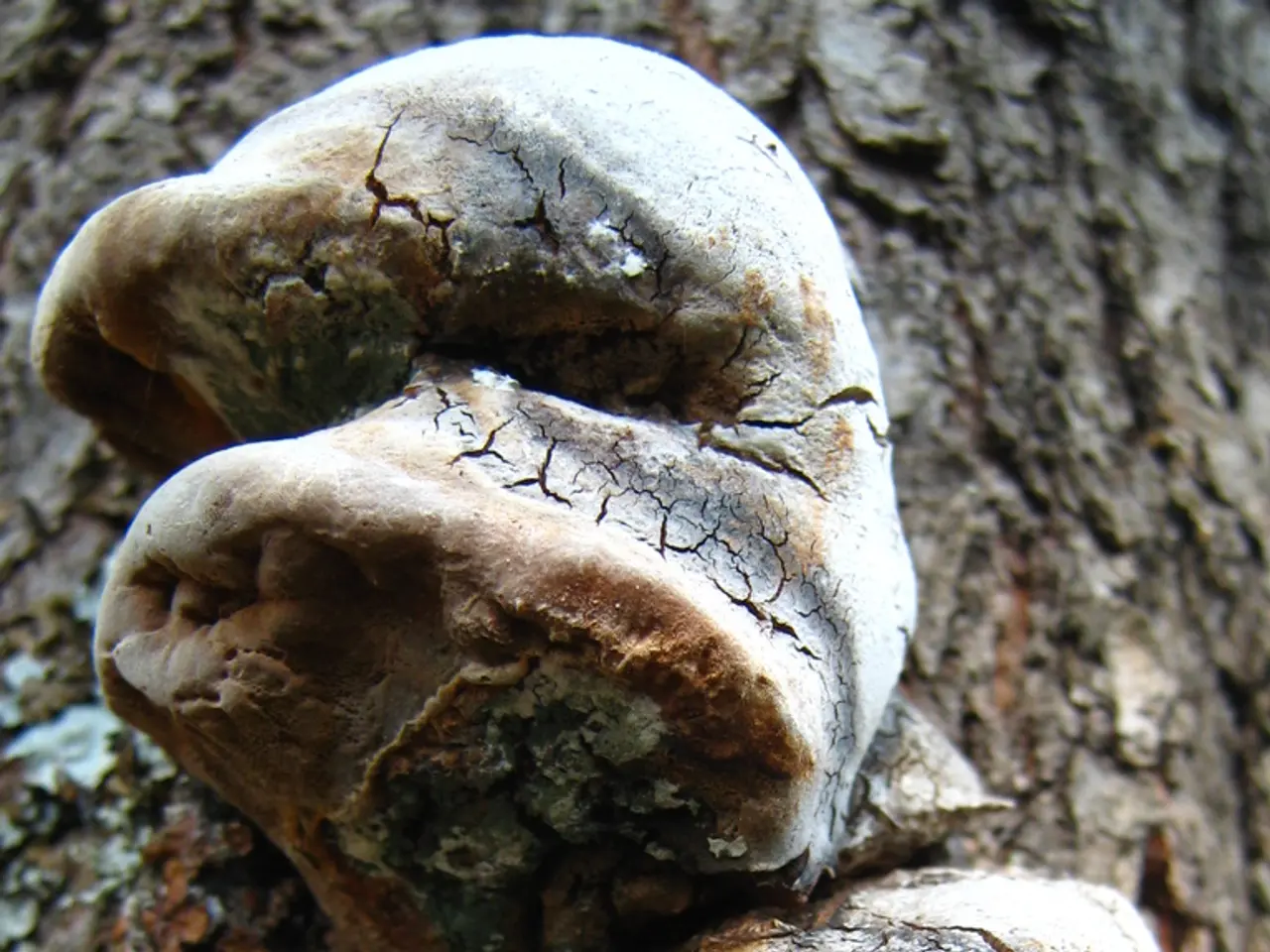
Essential Guidance for Healthy Plants: Garden Fungicides Explained
In the world of gardening, fungal diseases can pose a significant challenge to maintaining a healthy and thriving garden. However, with the right knowledge and preventive measures, these issues can be effectively managed.
Glen, a gardening expert with over 15 years of experience, prioritizes preventive measures to reduce the need for fungicides. This includes crop rotation, proper spacing of plants, and the selection of disease-resistant plant varieties. By creating a more robust garden ecosystem, Glen has noticed a lower incidence of fungal problems and consequently a decreased reliance on fungicides.
When fungicides are necessary, it's crucial to ensure the safety of people, pets, pollinators, and other biological organisms. Misuse of fungicides can lead to resistance, so it's important to rotate products with different active ingredients. It's also essential to read and follow the application instructions for each fungicide carefully.
Common fungal diseases in gardens include Rust Disease, Powdery Mildew, Black Spot, Blight (early, late, and fire), Septoria Leaf Spot, and Anthracnose Fruit Rot. Each disease has its unique symptoms, prevention strategies, and management techniques.
For instance, Rust Disease is characterized by orange-brown spots and discoloration on plant foliage. Prevention includes maintaining plant hygiene, using resistant cultivars, and improving air circulation. Management involves removing infected parts and using fungicides like copper-based or sulfur-based products.
Powdery Mildew shows as splotches on leaf surfaces, often appearing as white or gray powder. Prevention involves choosing healthy and resistant plants, avoiding planting in shaded areas, and improving air circulation. Management includes using mildew-resistant cultivars, avoiding over-fertilization, and applying appropriate fungicides.
General prevention strategies include good air circulation, proper watering, using resistant cultivars, maintaining plant hygiene, and avoiding over-fertilization.
Fungicide usage is another crucial aspect of fungal disease management. Copper-based products are effective for diseases like blight and rust, while sulfur-based products are suitable for diseases like rust and powdery mildew. Systemic fungicides, containing triazoles or strobilurins, are effective for a wide range of fungal diseases.
Always follow the label instructions when using fungicides and consult local agricultural services for specific advice. Opting for natural fungicides has its merits, particularly when striving for an organic garden, but even these require careful adherence to their intended use. Addressing specific plant diseases, such as root rot and mold, requires the use of fungicides for effective treatment.
Glen consistently monitors his plants for signs of fungal infection and acts promptly, knowing that early intervention is the key to successful fungus management. He is careful about the timing, quantity, and type of fungicides he applies, and follows the specific instructions for each.
In conclusion, understanding the benefits and responsible use of fungicides is essential for gardeners to avoid harming the ecosystem. With the right knowledge and preventive measures, fungal diseases can be effectively managed, ensuring a healthy and thriving garden.
- Science plays a pivotal role in understanding fungal conditions that affect gardening, helping us to develop effective preventive measures and treatments.
- A healthy and well-maintained home and garden can also extend to our health and wellness, as managing fungal diseases in our plants can reduce the risk of allergens and contribute to a safer environment.
- In the realm of health and wellness, skincare products with antioxidant and anti-inflammatory properties can work synergistically with a healthy garden to promote overall well-being, further emphasizing the connectedness of various aspects of our lifestyle.
- The fashion and beauty industry can adopt sustainable and eco-friendly practices, using plant-based ingredients and promoting organic gardening to reduce its environmental footprint. Food and drink can also incorporate these principles by sourcing ingredients from healthy gardens that are free of fungal diseases, further emphasizing the interconnectedness of our lifestyle, fashion, beauty, and gardens.