Exploring Authenticity and Appropriation: The Significance of 'Yoga Liberation' Book
Harpinder Kaur Mann's latest book, "Liberating Yoga: From Appropriation to Healing," delves into the rich history and spirituality of yoga, emphasising its roots in Indian culture, philosophy, and spirituality. The 232-page hardcover book, priced at $25.99, is set to be reviewed by Thomas W. Goodhue.
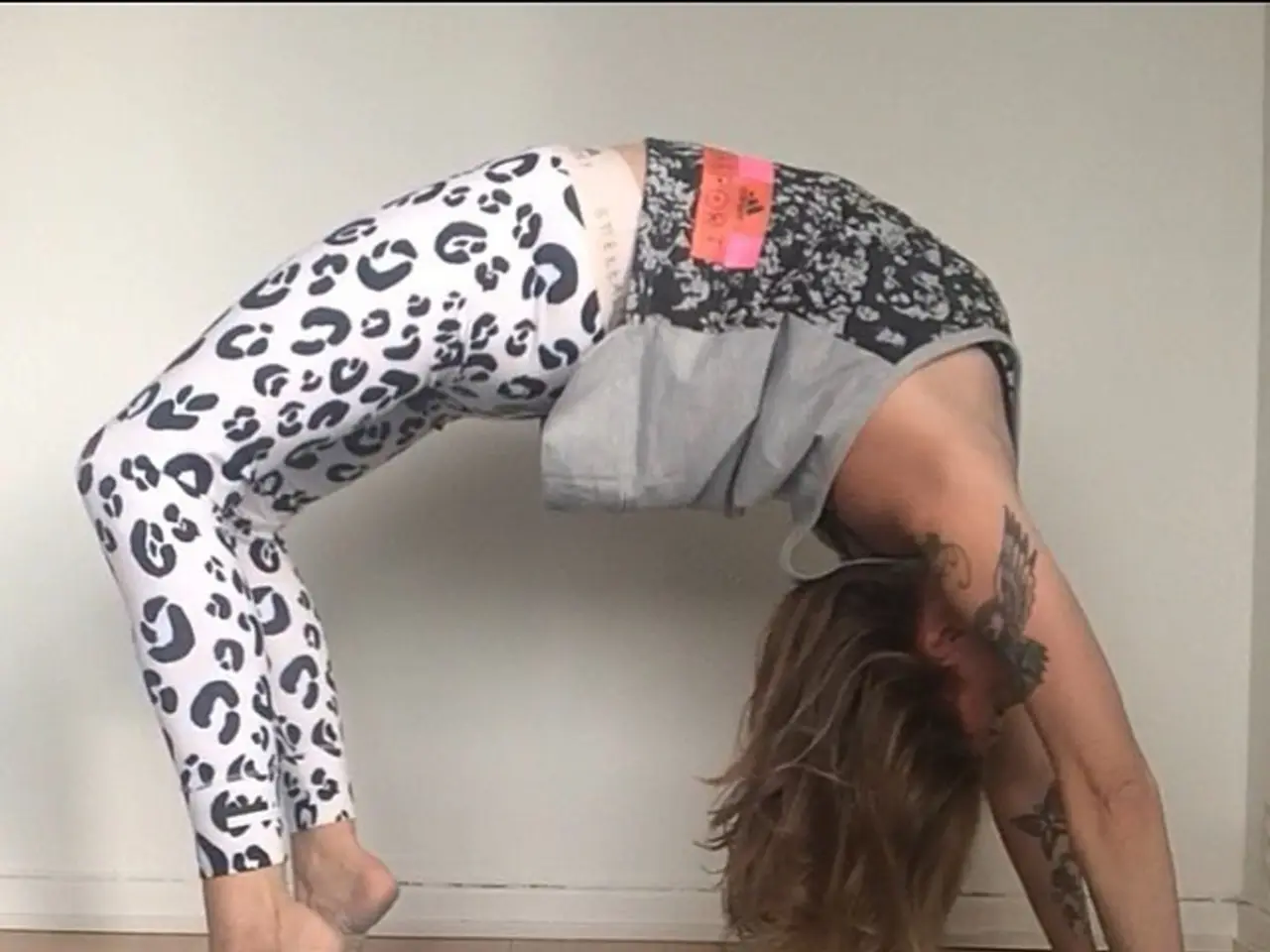
Mann, a yoga teacher with a unique personal journey, critically addresses the appropriation and commercialisation of yoga in the West. In Western countries, yoga has been transformed into a billion-dollar industry, focused primarily on fitness, apparel, retreats, and lifestyle branding. This commercialisation often strips away the spiritual and ethical dimensions of yoga, reducing it to a popular physical health trend or a commercial product[1][2].
The author argues that such appropriation involves taking sacred practices out of their cultural and spiritual contexts, often ignoring or minimising their origins and meaning. Mann advocates for reclaiming yoga's authentic spiritual roots and encourages practitioners to approach yoga with respect for its cultural heritage, seeking healing and transformation rather than commodification[3][4].
"Liberating Yoga" also touches upon the appropriation of yoga by the Brahmin caste in India and the similarities between America's racial categories and India's caste system. The book highlights the need for a more ethical, inclusive, and healing-oriented practice of yoga[5].
Raised in a household that practiced both Punjabi Sikhi and Hinduism, Mann was particularly devoted to Goddess Durga. She recounts her personal journey to spiritual renewal and becoming a yoga teacher, and discusses how commercial studios can be far removed from yoga's roots or even hostile to them. Mann is offended when yoga is reduced to a form of exercise without acknowledging its Indian spiritual roots. She is dismayed when her tradition is reduced to a form of entertainment or used for weight loss purposes[6][7].
The book also covers the trauma inflicted by British colonialism, British suppression of hatha yoga, and the chaos of Partition. Mann discusses how some students who are uninterested in traditional yoga practices are engaged by deeper, more authentic yoga, and she notes that those who teach in American studios often know little about yoga spirituality, its history, and India in general[8].
"Liberating Yoga" is published by Broadleaf Books and is written in a way that is understandable to readers who are not familiar with yoga. The book offers challenges and lessons for everyone, regardless of yoga practice, and can help create a more soulful and kind society by promoting compassion over judgment[9].
[1] https://www.thehindu.com/sci-tech/health/yoga-in-the-west-a-commodity-or-a-spiritual-practice/article30263131.ece [2] https://www.theguardian.com/lifeandstyle/2017/nov/26/yoga-industry-exploitation-colonisation-india [3] https://www.huffingtonpost.in/entry/yoga-in-the-west_n_6041646 [4] https://www.theatlantic.com/health/archive/2017/08/yoga-whitens-the-mind/535999/ [5] https://www.thecut.com/2019/02/yoga-is-a-white-girl-thing-and-the-problem-with-that-is-that-its-not-true.html [6] https://www.theguardian.com/lifeandstyle/2017/nov/26/yoga-in-the-west-a-commodity-or-a-spiritual-practice [7] https://www.huffingtonpost.in/entry/yoga-in-the-west_n_6041646 [8] https://www.thehindu.com/sci-tech/health/yoga-in-the-west-a-commodity-or-a-spiritual-practice/article30263131.ece [9] https://www.broadleafbooks.com/books/liberating-yoga-from-appropriation-to-healing/
Mann's book, "Liberating Yoga," advocates for a revival of yoga's spiritual roots, emphasizing the importance of health-and-wellness and lifestyle practices that honor its rich Indian culture, philosophy, and spirituality. In contrast to the Western commercialization of yoga into a multi-billion dollar fitness-and-exercise industry, Mann urges for a more soulful approach to yoga, promoting healing and transformation over commodification.