
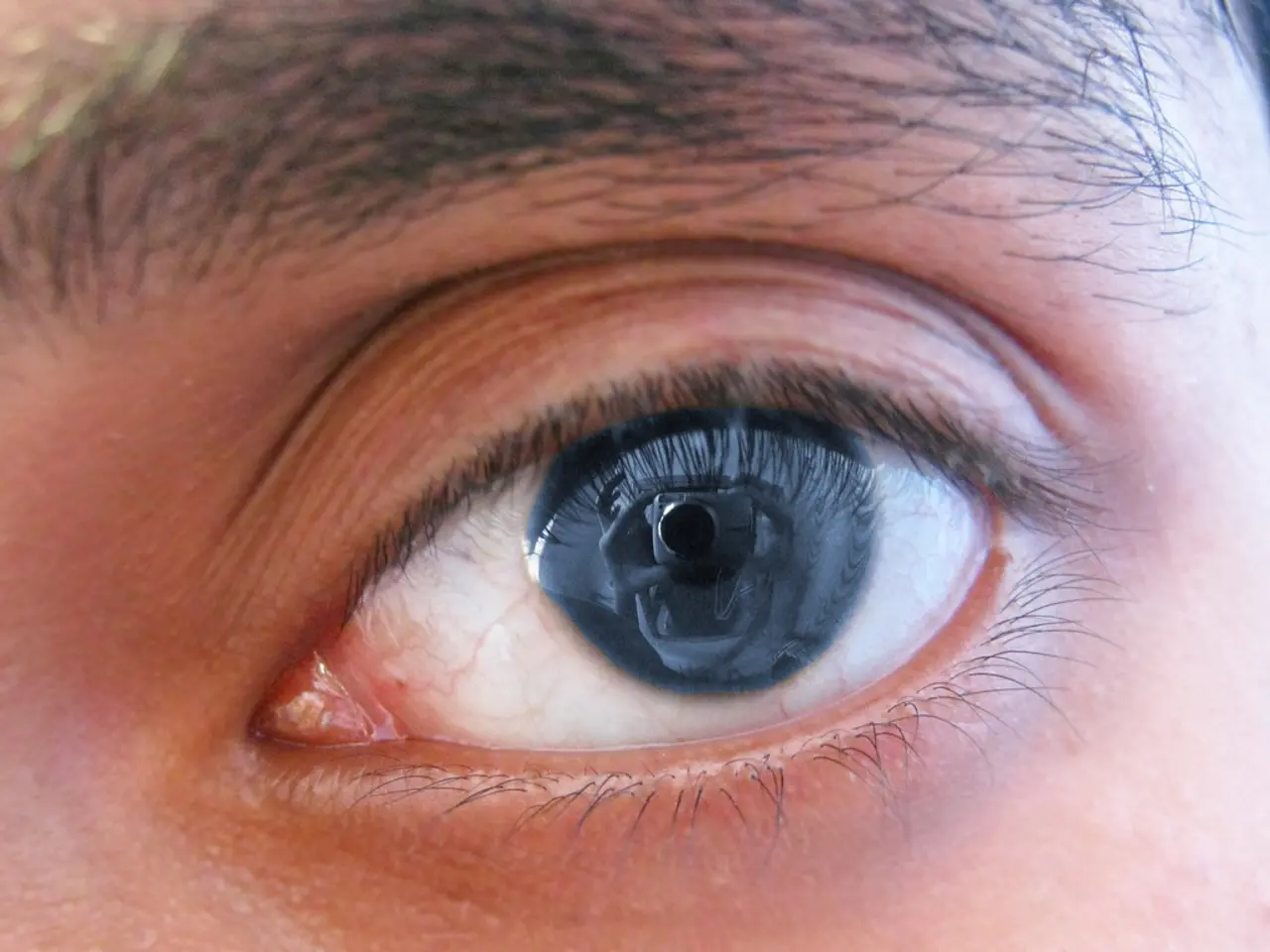
Eye Corner Irritation: Symptoms, Root Causes, and Remedies
Itching in the corner of the eye can be a distressing and uncomfortable symptom, often signalling an underlying issue. This article explores the four main causes of itching in the eye corner, their typical symptoms, and recommended treatments.
**Bacterial Conjunctivitis**
Bacterial infections, such as bacterial conjunctivitis, are a common cause of eye itching. Common bacteria responsible include *Staphylococcus aureus*, *Streptococcus pneumoniae*, *Haemophilus* species, and *Moraxella catarrhalis*. Symptoms include rapid onset of redness, eyelid swelling, and a sticky, sometimes purulent discharge that may cause the eyelids to stick together, especially after sleep.
**Viral Conjunctivitis**
Viral infections are the most frequent cause of infectious conjunctivitis. Symptoms include diffuse pinkness of the conjunctiva, watery discharge, and, in some cases, mild itching. Viral conjunctivitis often causes a sensation of irritation or grittiness, and itching may be present but is usually less severe than in allergic forms.
**Allergic Conjunctivitis**
Allergic conjunctivitis is driven by exposure to allergens (e.g., pollen, dust, pet dander) and is mediated by histamine release from mast cells. Itching is the hallmark symptom, often intense and accompanied by redness, swelling, and tearing. The itching is usually bilateral and may be seasonal or perennial, depending on the allergen.
**Dry Eye Disease**
While dry eye primarily causes burning, irritation, and a sensation of grittiness, some patients may experience itching, particularly in the corners of the eye. Dry eye results from insufficient tear production or rapid tear evaporation, leading to ocular surface damage and inflammation.
## Treatment Approaches
**Bacterial Conjunctivitis**
Treatment typically involves topical antibiotic eye drops or ointments, such as erythromycin or fluoroquinolones, to eradicate the causative bacteria. Hygiene measures (e.g., avoiding touching the eyes, frequent hand washing) are important to prevent spread.
**Viral Conjunctivitis**
Most cases are self-limiting and resolve within 1–2 weeks. Supportive care includes artificial tears for comfort, cold compresses to reduce swelling, and strict hygiene to limit transmission. Antiviral medications are reserved for specific viral causes (e.g., herpes simplex).
**Allergic Conjunctivitis**
First-line treatment is avoidance of known allergens. Antihistamine or mast cell-stabilizing eye drops (e.g., olopatadine, ketotifen) are effective for symptom relief. Severe cases may require topical corticosteroids under ophthalmologic supervision. Cold compresses can also reduce itching and inflammation.
**Dry Eye Disease**
Management focuses on restoring tear film stability with artificial tears, lubricating ointments, and lifestyle modifications (e.g., humidifiers, blinking exercises). Anti-inflammatory therapies (e.g., cyclosporine, lifitegrast drops) may be used in persistent cases. Addressing underlying causes (e.g., meibomian gland dysfunction) is also important.
When experiencing persistent, severe, or worsening symptoms—especially if accompanied by vision changes, pain, or purulent discharge—prompt evaluation by an eye care professional is advisable to rule out more serious conditions and guide appropriate therapy. Self-diagnosis and treatment without professional input can risk complications, particularly in cases involving the sensitive eyelid and corneal tissues.
[1] "Common Causes of Itching in the Corner of the Eye." American Academy of Ophthalmology. N.d. Web. 21 Mar. 2023.
[2] "Conjunctivitis." Mayo Clinic. 30 Jan. 2020. Web. 21 Mar. 2023.
[3] "Dry Eye Syndrome." American Academy of Ophthalmology. 28 Feb. 2020. Web. 21 Mar. 2023.
[4] "Allergic Conjunctivitis." American Academy of Ophthalmology. 28 Feb. 2020. Web. 21 Mar. 2023.
[5] "Allergic Conjunctivitis." National Institute of Allergy and Infectious Diseases. 27 Feb. 2020. Web. 21 Mar. 2023.
- Bacterial conjunctivitis, such as those caused by Staphylococcus aureus, Streptococcus pneumoniae, Haemophilus species, or Moraxella catarrhalis, can lead to itchy eyes, redness, eyelid swelling, and a sticky discharge.
- Viral conjunctivitis is the most common viral cause of infectious conjunctivitis, often resulting in a watery discharge, pinkness of the conjunctiva, and a feeling of irritation or grittiness in the eyes, with itching usually less severe than in allergic forms.
- Allergic conjunctivitis, triggered by exposure to allergens like pollen, dust, or pet dander, is characterized by intense itching, redness, swelling, and tearing, with the itching often being bilateral and seasonal or perennial.
- Dry eye disease, marked by a lack of tears or rapid tear evaporation, can occasionally cause itching, particularly in the corners of the eyes, besides burning, irritation, and a sensation of grittiness.
- Science continues to explore the connection between health-and-wellness and conditions like COPD, bipolar disorder, psoriatic arthritis, multiple sclerosis, colitis, and depression, and how they might impact the skin and eyes.
- AQ (aqua), a common ingredient in eye drops and artificial tears, plays a crucial role in maintaining eye health, providing the essential biological fluid for eye hydration and lubrication.
- Bacterial infections like conjunctivitis can sometimes lead to complications like skin problems or ulcerative colitis, emphasizing the importance of appropriate treatment and eye care professional consultations.
- It's essential to seek professional advice for persistent, severe, or worsening symptoms, as self-diagnosis and treatment carry the risk of complications, particularly when dealing with sensitive tissues like the eyelid and cornea.
- In the realm of health-and-wellness, understanding the predictive factors for conditions like asthma, arthritis, and bacterial or viral eye infections can empower individuals to take proactive measures towards prevention and early intervention.