
Immune response triggers in virtual characters exhibiting skin irritations
In a groundbreaking study published in the journal "Nature Neuroscience", a team of scientists from the universities of Lausanne and Geneva have discovered that the human immune system responds to virtual cues of infection. This finding sheds light on the brain's role in the immune response to potential infections, even in non-traditional environments like virtual reality.
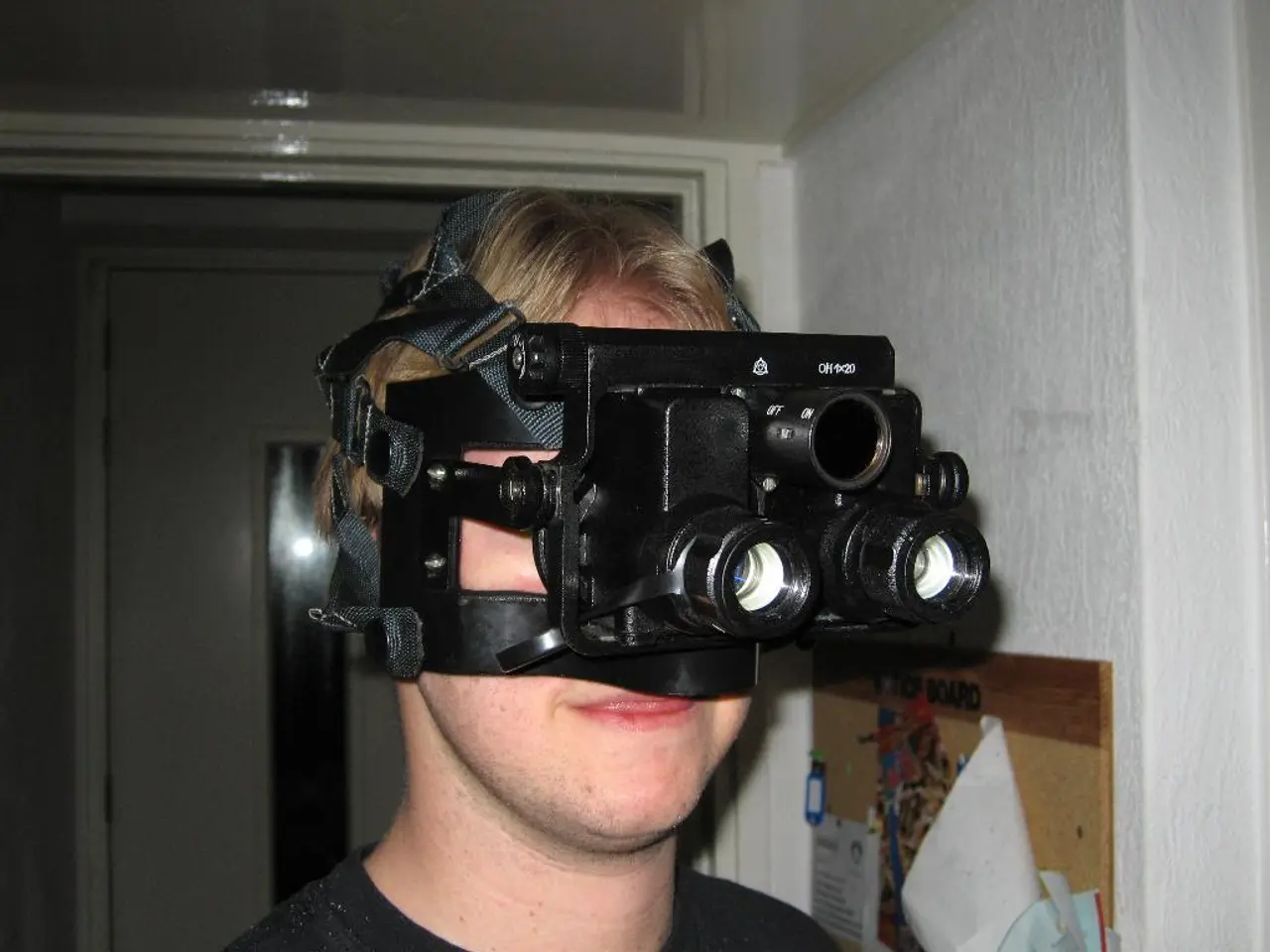
During the study, around 250 participants were shown moving avatars with human-like faces in virtual reality via a camera headset. Some of these avatars displayed signs of infections, such as rash or coughing. Remarkably, participants exposed to these sick-looking avatars exhibited increased activity of innate lymphoid cells (ILCs), a key player in the initial immune response. This immune activation happened before any actual pathogen entered the body, indicating an anticipatory defense mechanism that primes the immune system.
The scientists measured the participants' brain activity while they watched the avatars. They found that the brain triggers a defense reaction when it perceives potential infections, even in virtual reality. Brain areas related to stress and threat detection, including the hypothalamic-pituitary-adrenal axis, showed enhanced connectivity during perceived infectious threats in VR, suggesting neural pathways that activate immunity without physical infection.
The study also found that the immune reaction strength was higher when sick avatars appeared closer in VR, indicating spatial context influences the immune alertness. This sensitivity to proximity and cues could have implications for therapeutic uses such as boosting vaccine efficacy, modulating autoimmune or inflammatory conditions, and potentially desensitizing allergic reactions via repeated virtual exposure.
However, researchers do not yet fully understand how VR-stimulated immune responses compare in robustness or duration to real infection or vaccination, nor whether repeated VR exposure might cause excessive immune reactions or tolerance. Further research is needed to explore these questions and fully realise the potential of this fascinating discovery.
In summary, the immune system responds to virtual cues of infection by activating immune cells through brain-mediated anticipatory pathways, preparing the body for possible real threats even though no pathogen is present. This effect opens novel possibilities for non-invasive immunomodulation, potentially revolutionising our understanding and treatment of infectious diseases.
In the context of this study, a potential community policy regarding the use of virtual reality for vaccination or condition-mimicking purposes might involve vocational training for operators to maintain health-and-wellness and mental-health standards, as the brain's response to virtual infections can have ramifications for therapies-and-treatments and immunity. Furthermore, the research findings highlight the need for future studies to assess the robustness and duration of VR-stimulated immune responses compared to real infection or vaccination, as overreactions or tolerance might arise from repeated exposure.