
Feeling Younger: The Secret to a Longer, Happier Life
- By Doris Schneyink
- ≈ 4 Min Read
Those who perceive themselves as younger than their actual age, tend to live longer. - "Individuals who perceive themselves as younger than their actual age tend to enjoy a longer lifespan"
Meet Herr Wettstein, the man who has a fascinating take on aging. When his mom moved into a nursing home at 83, she complained about being surrounded by old people - was that a reality loss kicking in?
So, What's the Deal with Perceived Age?
Herr Wettstein doesn't see it as a reality loss. Many folks' actual age doesn't match their perceived age, creating a bucket load of typical reactions, like his mother's.
Shedding Light on Longevity, Fitness, and Life Expectancy
Here's the lowdown on the links between perceived age, longevity, life expectancy, and fitness:
- Longevity: The length of a person's life is steered by genetics, lifestyle choices, and healthcare access. Physical fitness can lower the chances of chronic diseases, boosting overall health and potentially life expectancy.
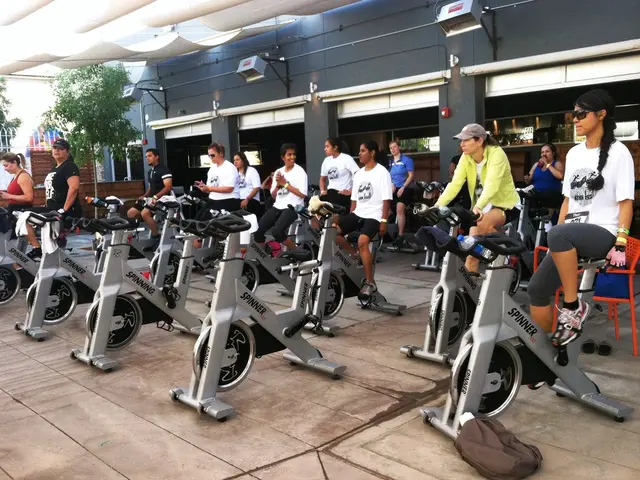
- Fitness: Regular exercise is the key to staying healthy and extending life. It has a double whammy effect: improving physical function and boosting psychological well-being.
- Life Expectancy: This is the average lifespan for a person in a given population. It's influenced by genetics, lifestyle factors, and environmental conditions. Adopting a fit lifestyle and making healthy choices can lead to a longer life expectancy.
The Web that Ties it All Together
- Perceived Age and Life Expectancy: Feeling younger than your actual age (lower perceived age) might point towards a positive outlook and healthier lifestyle choices. This could potentially add years to your life expectancy.
- Fitness and Longevity: Maintaining physical fitness is vital for lifelong health. It boosts life expectancy by reducing the risk of disease and improving overall well-being.
- Reality Loss and Aging: While not directly connected to longevity or fitness, reality loss (like cognitive decline) can impact the aging experience, potentially affecting life quality and expectancy.
The bottom line? Feeling young, staying healthy through exercise, and embracing a positive outlook can contribute to a longer, happier life.
- In the article "Feeling Younger: The Secret to a Longer, Happier Life," it is suggested that feeling younger than one's actual age, particularly due to a healthier lifestyle and regular exercise, may have a positive impact on life expectancy.
- Science, particularly in the field of health-and-wellness and fitness-and-exercise, reveals that maintaining physical fitness and adopting a fit lifestyle can significantly lower the risk of chronic diseases, thus boosting life expectancy and overall well-being.