Medical professional Goryachev from Kuban details steps to take when suffering a gyrus bite
In the southern regions of Russia and bordering areas, a potentially dangerous encounter may occur with the gürza, a venomous snake also known as the Levant viper or Gadjiya. This large, heavy-bodied viper is primarily found in foothill and mountainous regions on the borders with Dagestan and North Caucasus, but may also venture into Kuban.
The gürza is not typically aggressive, but it can strike when threatened or accidentally provoked. Its venom is both hemotoxic and cytotoxic, causing local tissue damage and systemic effects.
If bitten by a gürza, prompt action is essential to increase the chances of a positive outcome. Here's what to do and what to expect:
**Identification of the Gürza Snake**
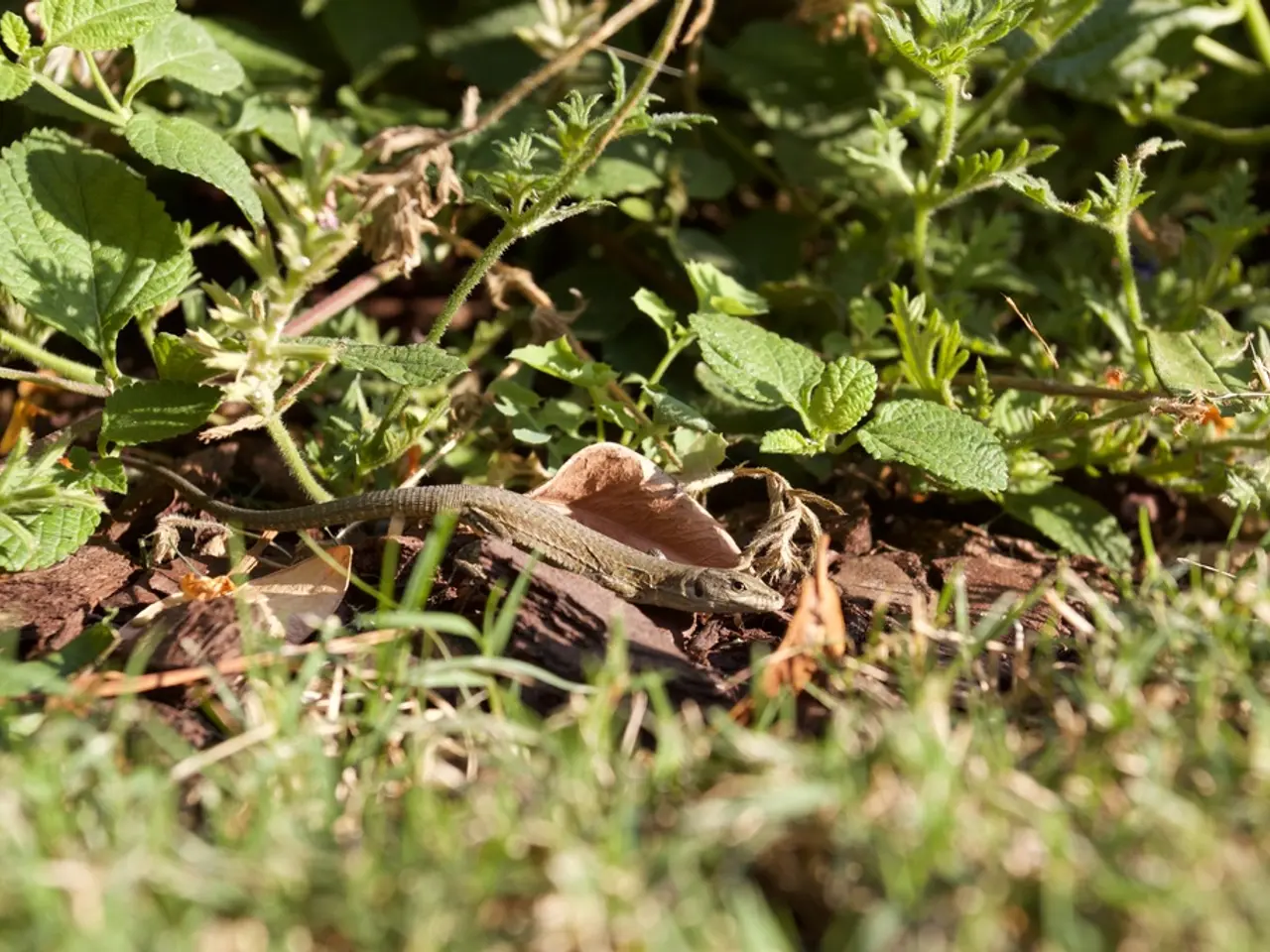
The gürza is a large, heavy-bodied viper with a length of around 150 cm (though it can be longer). Its colour varies from brown to gray, with darker zigzag or blotchy patterns along the back. The snake has a broad triangular head, distinct from the neck, and vertical slit pupils, characteristic of vipers.
**Symptoms of Gürza Snakebite (Envenomation)**
Local symptoms of a gürza bite include immediate sharp pain at the bite site, swelling and significant edema, often rapidly spreading, redness, bruising, and blistering. In severe cases, necrosis (tissue death) may occur. Systemic symptoms can include weakness, dizziness, nausea, vomiting, headache, fever, and possible signs of coagulopathy (bleeding disorders). In severe cases, hypotension, shock, or organ damage may occur.
**First Aid for Gürza Snakebite**
1. Ensure the bitten person and others are moved away from the snake to avoid further bites. 2. Keep the victim calm and immobilize the affected limb to slow venom spreading. 3. Keep the bitten limb at or slightly below heart level. 4. Remove tight clothing or jewelry around the bite site to accommodate swelling. 5. Do not apply a tourniquet, do not cut or incise the wound, do not attempt to suck out venom, and do not apply ice. 6. Clean the wound gently with water and cover lightly with a sterile dressing. 7. Seek immediate medical attention: Antivenom is essential for moderate to severe envenomation. 8. Monitor vital signs, watch for breathing difficulties, swelling, and signs of shock. 9. Medical personnel may administer painkillers and tetanus prophylaxis. 10. Hospital treatment may include antivenom administration, supportive care including IV fluids, and possible surgical intervention if necrosis develops.
If you suspect a gürza snakebite, immediate transfer to a medical facility equipped to handle venomous bites is life-saving. Without prompt medical attention, a gürza bite can lead to death. Drink plenty of clean water to reduce venom concentration in the blood. Alexander Goryachev, a methodologist at the Center for Public Health and Medical Prevention, advises immobilizing the affected area to reduce venom spread.
The venom of a gürza is deadly and can cause the destruction of red blood cells, leading to a disruption in the body's oxygen circulation. Alcohol consumption does not neutralize venom and only exacerbates the situation. Applying a tourniquet, making incisions, or cauterizing the bite area is prohibited, as it can lead to tissue necrosis and infection.
Stay calm and describe the situation to specialists for quick prescription of necessary medications. The gürza is not aggressive, but may become bolder if approached too closely and may make a lightning-fast jump towards the intruder. Symptoms of a gürza bite include swelling and intense pain at the bite site, rapidly spreading throughout the body, and blood clotting abnormalities and internal hemorrhaging. The sooner treatment begins, the better the chances of a positive outcome.
In the context of encounters with the gürza snake, it's important to understand its potential impact on health and wellness, as its venom can cause both local tissue damage and systemic effects, making medical-conditions a serious concern. If bitten by a gürza, prompt action should involve seeking immediate medical attention, identifying the snake, and following first-aid guidelines until help arrives, as science tells us that antivenom is essential for managing the effects of its hemotoxic and cytotoxic venom.