Osteopathic Manipulative Treatment: Crucial Information to Understand
Osteopathic Manipulative Therapy (OMT) is a hands-on treatment method used by Doctors of Osteopathy (DOs) to diagnose, prevent, and treat various conditions, including chronic pain such as lower back pain and neck pain. This therapy is designed to restore normal mobility, reduce tissue tension, alleviate pain, improve circulation, enhance nerve function, and support the body’s natural self-healing ability.
The techniques used in OMT are diverse and targeted, with each aiming to correct structural imbalances, reduce pain, restore function, and enhance overall wellbeing.
Soft Tissue Manipulation involves massaging and stretching muscles and fascia to reduce tension, improve circulation, and relieve muscle tightness that can contribute to nerve entrapments or pain.
Joint Mobilization is a gentle movement of joints to restore proper joint function and range of motion, decrease stiffness, and correct structural imbalances.
Muscle Energy Techniques involve active patient muscle contractions against a controlled resistance from the practitioner to improve joint mobility and stretch tight muscles.
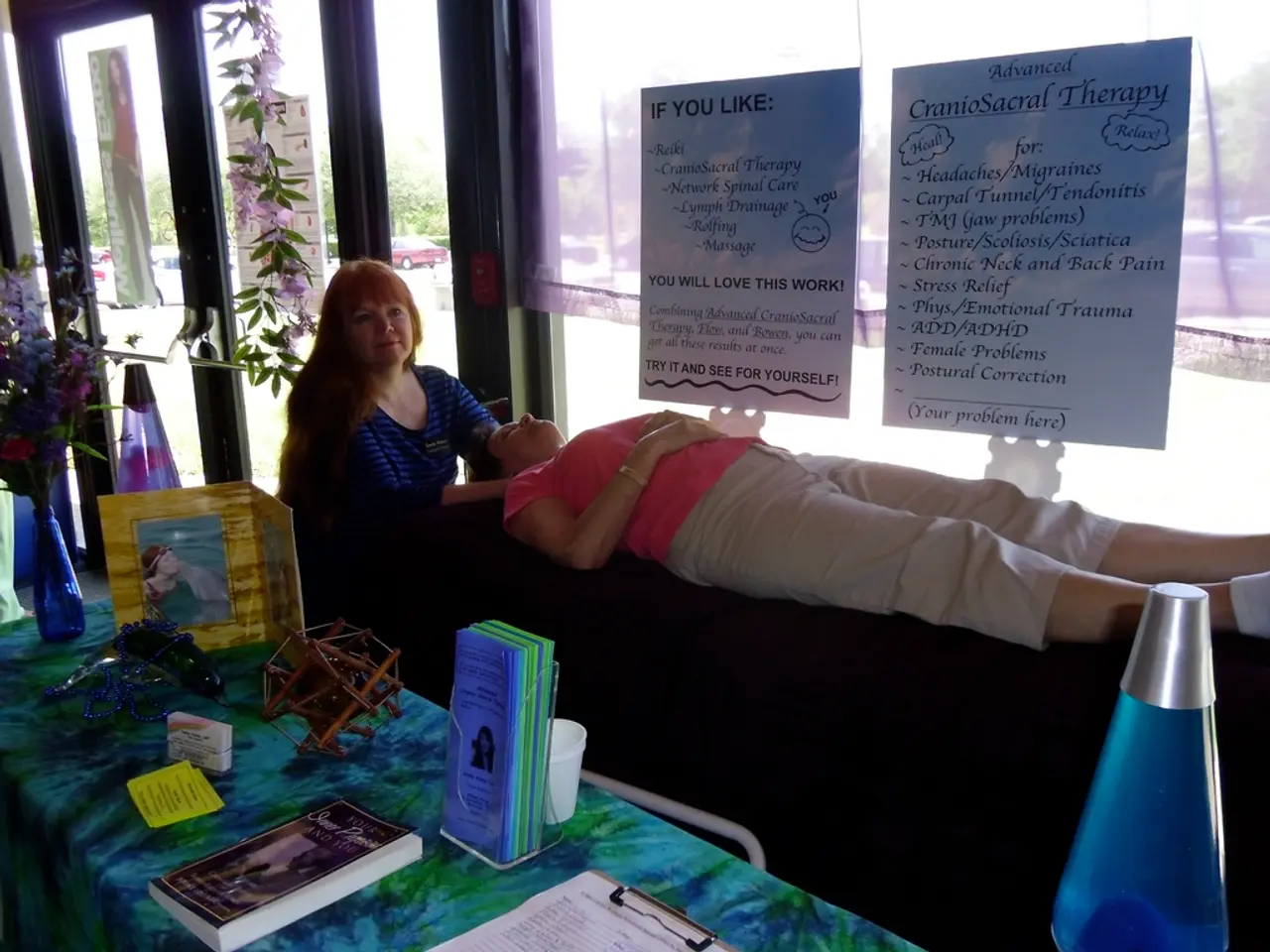
Cranial Osteopathy uses subtle manipulations of the skull and cranial bones to improve the function of the nervous system and balance cranial structures.
Visceral Manipulation is a gentle manual therapy used to improve the mobility and function of internal organs that may contribute to musculoskeletal symptoms.
Neurodynamic Techniques are controlled movements to mobilize nerves within their surrounding tissues to reduce nerve mechanosensitivity and restore normal nerve function, useful in treating nerve entrapment syndromes like carpal tunnel.
Before receiving OMT, a DO will assess the person’s needs by asking about their symptoms, lifestyle, medical history, and other health issues. It is essential to note that OMT is generally a safe treatment with very few side effects. However, if stiffness or soreness after OMT does not resolve after a few days, a person should contact their DO.
During OMT, a person may stand, sit, or lie on an examination table while the DO uses various techniques to manipulate their body. After the treatment, a person may be advised to stay hydrated, go for a short walk, and avoid hard physical activity for 24 hours. High velocity thrusts, quick, sharp movements made by the DO during OMT, may cause a clicking noise.
OMT can benefit a person by decreasing chronic pain symptoms, managing COPD, easing migraine symptoms, managing pelvic girdle pain during pregnancy, solving structural issues in joints and muscles, and making the use of certain pain medications unnecessary. Pregnant individuals can also receive OMT to help manage pelvic and lower back pain during and after pregnancy.
In conclusion, OMT offers a holistic approach to treating various conditions, focusing on the body’s innate capacity for self-healing. Treatment plans are individualized based on patient assessment and may combine multiple modalities with exercise and ergonomic advice for optimal outcomes. If you are experiencing chronic pain or other health issues, consider discussing OMT with your DO to determine if it could be a beneficial addition to your treatment plan.
Osteopathic Manipulative Therapy (OMT) incorporates various scientific-based techniques from health-and-wellness fields, including soft tissue manipulation, joint mobilization, muscle energy techniques, cranial osteopathy, visceral manipulation, and neurodynamic techniques, all aiming to alleviate pain, enhance fitness-and-exercise performance, and support overall health-and-wellness. These therapies-and-treatments form an integral part of the holistic approach used by Doctors of Osteopathy (DOs) to restore normal mobility, reduce tissue tension, and improve circulation, thereby promoting the body’s natural self-healing ability.