
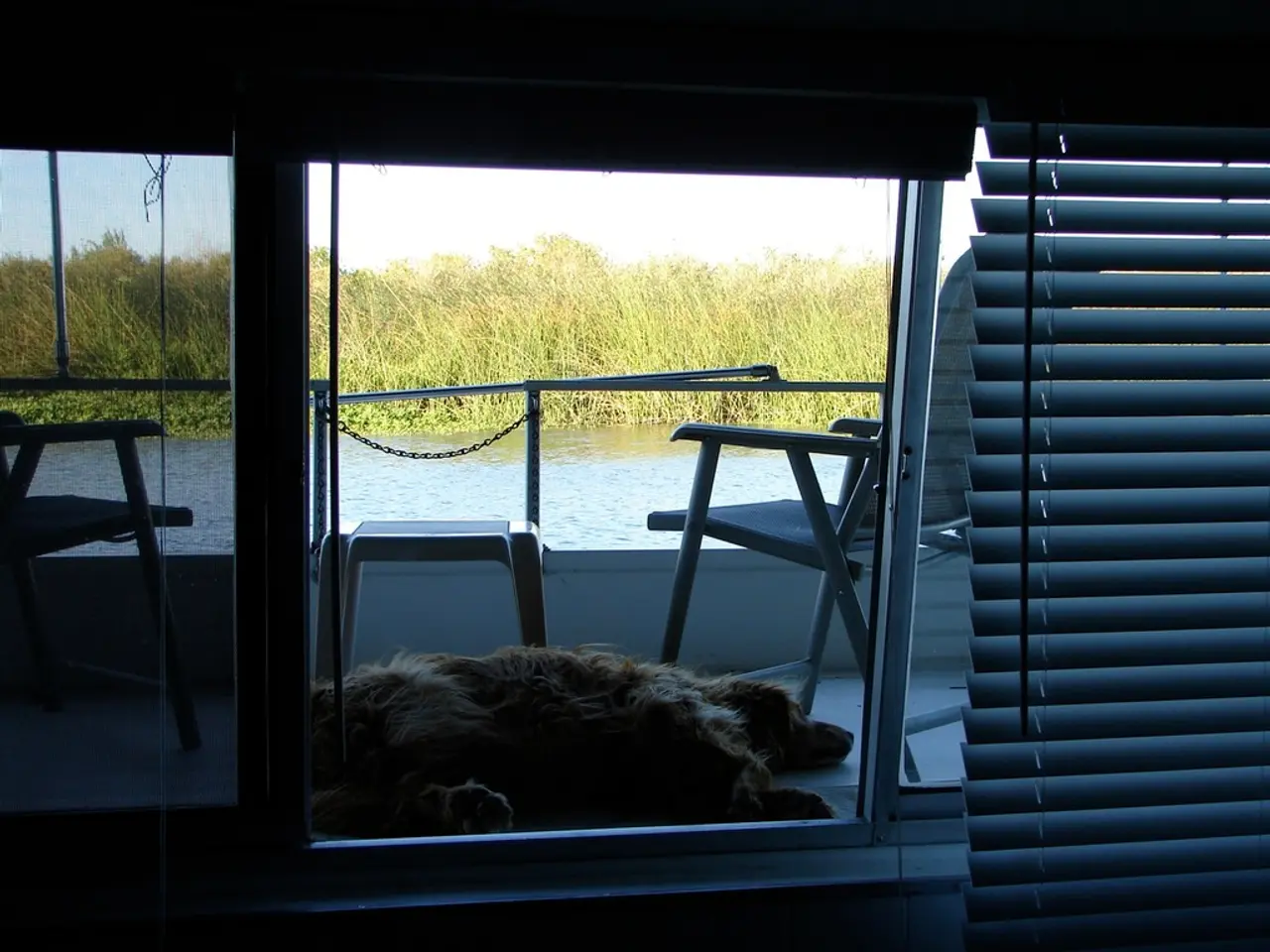
Safety measures for canines during summer:
As the mercury rises, it's essential to be mindful of our furry friends and the potential risks they face in the heat. Here's a guide on identifying and handling heat-related issues in dogs, along with prevention tips to ensure a safe and enjoyable summer for both you and your pet.
**Identifying Heat-Related Issues in Dogs**
Early signs of overheating or heat exhaustion in dogs can include excessive panting, drooling, rapid breathing, bright red gums, weakness or lethargy, and a strong desire to seek shade and drink more water. More severe signs of heat stroke may present as vomiting and diarrhea, staggering or uncoordinated movements, collapse or seizures, disorientation or unconsciousness, bright red or purple gums, and excessive drooling.
**How to Handle Heat-Related Issues**
In case of suspected heat-related issues, move your dog to a shaded or air-conditioned area immediately. Offer small amounts of cool (not cold) water to drink and wet their paws, belly, ears, and underarms with cool water gradually. Use a fan to help evaporation and cooling, and place cool, damp towels on key areas such as the neck and armpits. Avoid using ice or very cold water as this can cause shock or constrict blood vessels.
Even if your dog seems to recover, it's crucial to take them to a veterinarian immediately because internal damage can occur despite outward improvement. If the dog collapses or shows severe symptoms such as seizures, seek emergency veterinary care right away.
**Prevention Tips**
- Avoid walking or exercising your dog during the hottest part of the day (usually 10 a.m. to 4 p.m.). - Never leave dogs in parked cars, even for a short time. - Ensure constant access to fresh water and shaded resting areas. - Use cooling accessories such as cooling vests, mats, or fans on hot days. - Keep walks short and gentle in warm weather. - Monitor dogs closely for any signs of overheating, especially high-risk groups like flat-faced breeds (Bulldogs, Pugs), overweight dogs, seniors, puppies, or those with heart or breathing problems.
**Hydration**
Keep multiple water bowls available indoors and outdoors. Bring portable water and a collapsible bowl during walks. Encourage drinking by adding water to food or offering ice cubes as treats. Watch for dehydration signs like dry gums, sunken eyes, lethargy, and loss of skin elasticity; seek vet advice if dehydration signs appear.
By vigilantly observing your dog for early signs of heat stress, implementing immediate cooling strategies, and practicing preventive measures, you can protect your dog from dangerous heat-related health issues during summer.
Remember, it's essential to be proactive, not reactive. Plan ahead by walking early or late in the day, carrying water, avoiding hot surfaces, never leaving dogs in parked cars, and keeping parasite preventatives up to date. Summer is prime time for external and internal parasites like fleas, ticks, and mosquitoes, which can cause various health issues.
For pups who love swimming, ear infections are more common in summer due to trapped moisture. Dry your dog's ears thoroughly after swimming or baths, and use a vet-approved ear cleaner if they're prone to irritation. Puppies have more sensitive paw pads and dehydrate quickly, making supervised, short bursts of playtime in shaded areas the safest choice.
Stay vigilant and enjoy a safe and fun-filled summer with your furry companion!
[1] American Kennel Club. (2021). Hot Weather Safety for Dogs. Retrieved from https://www.akc.org/expert-advice/lifestyle/hot-weather-safety-for-dogs/ [2] PetMD. (2021). Heatstroke in Dogs. Retrieved from https://www.petmd.com/dog/emergency/heatstroke-dogs [3] VCA Hospitals. (2021). Heatstroke in Dogs. Retrieved from https://vcahospitals.com/know-your-pet/heatstroke-in-dogs [4] WebMD. (2021). Heatstroke in Dogs. Retrieved from https://pets.webmd.com/dogs/heatstroke-in-dogs
Science indicates that dogs can suffer from heat-related issues in warm weather, which can potentially impact their health-and-wellness. To prevent heat stroke or exhaustion, it's advisable to walk or exercise dogs during cooler parts of the day, provide them with constant access to fresh water and shaded resting areas, and regularly monitor their behavior for signs of overheating, especially for high-risk groups. In case of suspected heat-related issues, seek immediate veterinary attention despite any apparent recovery.