Strategies for Preventing Golfer's Elbow Irritation
**Preventing and Treating Golfer's Elbow**
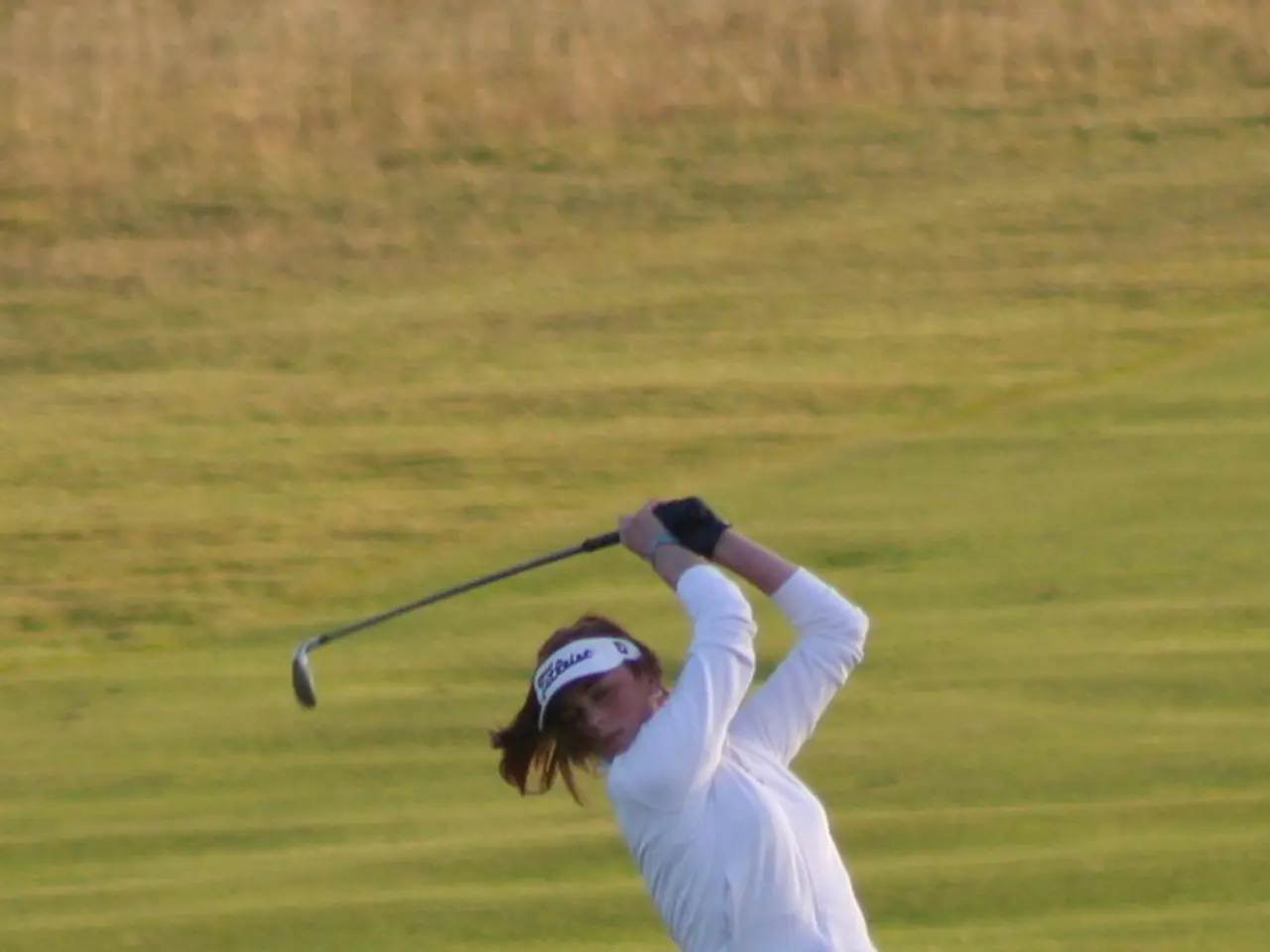
Golfer's Elbow, medically known as medial epicondylitis, is a common condition that affects the tendons on the inside of the elbow. To prevent this painful condition, it's essential to take preventative measures and maintain proper technique while playing golf.
## Preventative Measures
1. **Modify Activities**: Avoid repetitive strain by modifying your activities or sports to reduce overuse of the forearm muscles. 2. **Strengthening Exercises**: Incorporate exercises to strengthen the forearm muscles, such as wrist flexions and extensions, and forearm pronation and supination. 3. **Proper Warm-Up and Cool-Down**: Ensure thorough warm-up routines before engaging in sports and cool-down stretches afterward to prevent strain. 4. **Proper Equipment Use**: Use correctly sized and weighted sports equipment to reduce strain on the forearm. 5. Additionally, taking breaks to rest your arms during play is crucial to avoid overexertion.
## Treatment Options
If you develop Golfer's Elbow, several treatment options can help alleviate the pain and promote healing.
### Initial Steps
Initially, rest the affected area and apply ice to reduce inflammation and pain.
### Physical Therapy
Engage in exercises to improve flexibility and strength in the forearm and shoulder muscles. This includes wrist flexion and extension stretches, and strengthening exercises using resistance bands.
### Medication
Use nonsteroidal anti-inflammatory drugs (NSAIDs) like ibuprofen or naproxen for pain and inflammation, and corticosteroid injections for severe cases under medical supervision.
### Manual Therapy
Techniques such as soft tissue mobilization, joint mobilization, and myofascial release can reduce tension and improve mobility.
### Chiropractic Care
Includes spinal adjustments, joint mobilization, and therapeutic exercises to address movement patterns and reduce strain.
In severe cases, surgery may be considered to remove damaged tissues or repair the affected tendons. It's essential to consult a healthcare professional for a personalized treatment plan.
Remember, prevention is key in avoiding golfer's elbow. By taking care of your body, using proper technique, and giving your muscles and tendons a rest when needed, you can enjoy a pain-free golfing experience. If you suspect you have golfer's elbow or are experiencing any of the common symptoms, seek proper diagnosis and treatment from a healthcare professional.
Maintaining a balanced approach to health-and-wellness is crucial in preventing golfer's elbow, incorporating not only sports like golf, but also fitness-and-exercise and science-backed preventative measures such as strengthening exercises and proper equipment use.
Additionally, when engaging in sports, understanding the importance of science in understanding injuries like golfer's elbow can help in recognizing potential treatments, whether it's physical therapy, medication, manual therapy, chiropractic care, or in some severe cases, surgery.