U.S. Budget Cuts Affect Nepal's Papillomavirus Vaccination Program, Chronicled by Photographer Nanna Heitmann
The Global Vaccine Alliance (GAVI) received a substantial $300 million (€254 million) from the U.S. in 2024, a sum that would later be frozen, leading to the suspension of many international aid grants. This decision, part of a broader shift in U.S. foreign aid policy, could have far-reaching implications for global health initiatives.
The U.S. freeze on foreign aid was instigated by President Donald Trump just a few days after his arrival at the White House. The administration's draft budget proposed a 47.7 percent reduction in foreign aid, signalling a priority for funding only projects deemed critical to American safety and critical partners. This move marked a withdrawal from global health and development engagements, including the World Health Organization and the United Nations.
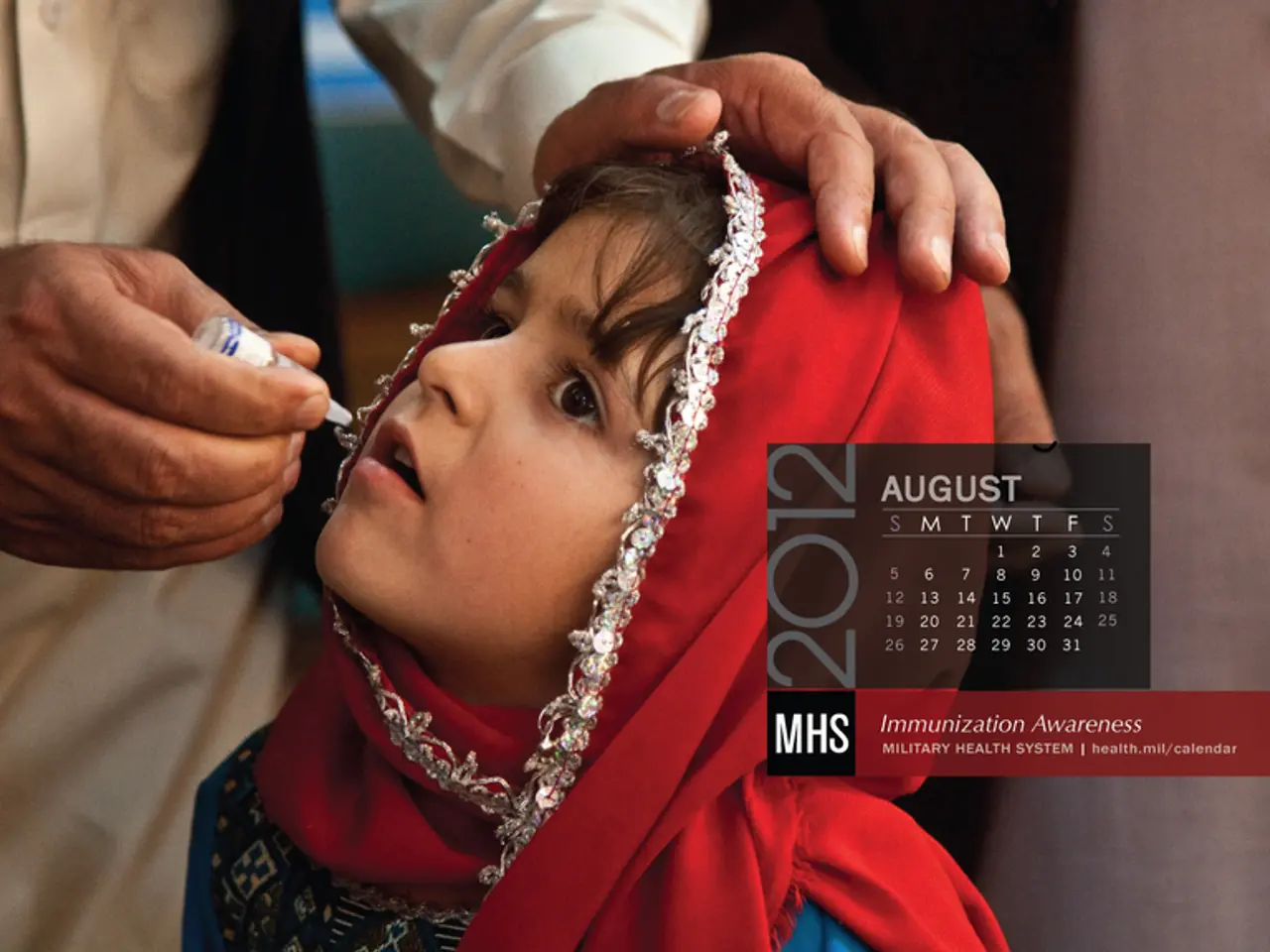
One of the most affected areas is the fight against Human Papillomavirus (HPV), the most common sexually transmitted disease. HPV is responsible for many cervical cancers, and vaccination campaigns are crucial for prevention. A large-scale HPV vaccination campaign in Nepal, funded by GAVI, benefited around 1.6 million girls aged 10 to 14. The U.S. withdrawal could potentially lead to an increase in cervical cancer cases in middle- and low-income countries, as well as halt ongoing HPV vaccination campaigns in low-income countries.
The U.S. Secretary of Health, Robert F. Kennedy Jr., announced the suspension of the U.S. government's partnership with GAVI. While concerns over vaccine safety data have been raised, experts argue these concerns were a pretext for politically motivated funding cuts rather than genuine safety issues. The abrupt suspension has had significant negative consequences, disrupting vaccine delivery and causing setbacks in disease control in many countries.
The decision has been strongly condemned as reckless and deadly, highlighting the adverse impact on children’s health worldwide. The U.S. withdrawal could leave at-risk populations in middle- and low-income countries without access to HPV vaccination, potentially leading to a rise in cervical cancer cases.
In a poignant moment, photographer Nanna Heitmann was given the opportunity to meet a population often overlooked in Timang, a Himalayan village, during the Nepal campaign. The future of similar opportunities remains uncertain as the U.S. continues to withhold funding until GAVI can prove the scientific accuracy of its projects.
[1] Source: The Guardian, "US foreign aid freeze: Trump's budget cuts could have 'devastating' impact on global health", 2024 [2] Source: The New York Times, "U.S. Suspends Funding for Global Vaccine Alliance", 2024 [3] Source: The Lancet, "The impact of HPV on global health", 2023 [4] Source: BBC News, "Critics condemn US aid cuts as 'deadly'", 2024 [5] Source: The Washington Post, "Expert analysis disputes claims of vaccine safety issues in GAVI", 2024
The U.S. withdrawal from partnerships with organizations like GAVI, due to alleged concerns over vaccine safety data, seems to be predominantly politically motivated, rather than based on genuine safety issues, according to experts (The Washington Post, 2024). This funding freeze could result in a rise in medical-conditions such as cervical cancer, particularly in middle- and low-income countries, as vital financial support for health-and-wellness initiatives, including HPV vaccination campaigns, may be halted (The Guardian, 2024; The New York Times, 2024; BBC News, 2024). Moreover, the suspension could disrupt ongoing scientific research and development in areas such as medical-conditions related to cancer (The Lancet, 2023).