
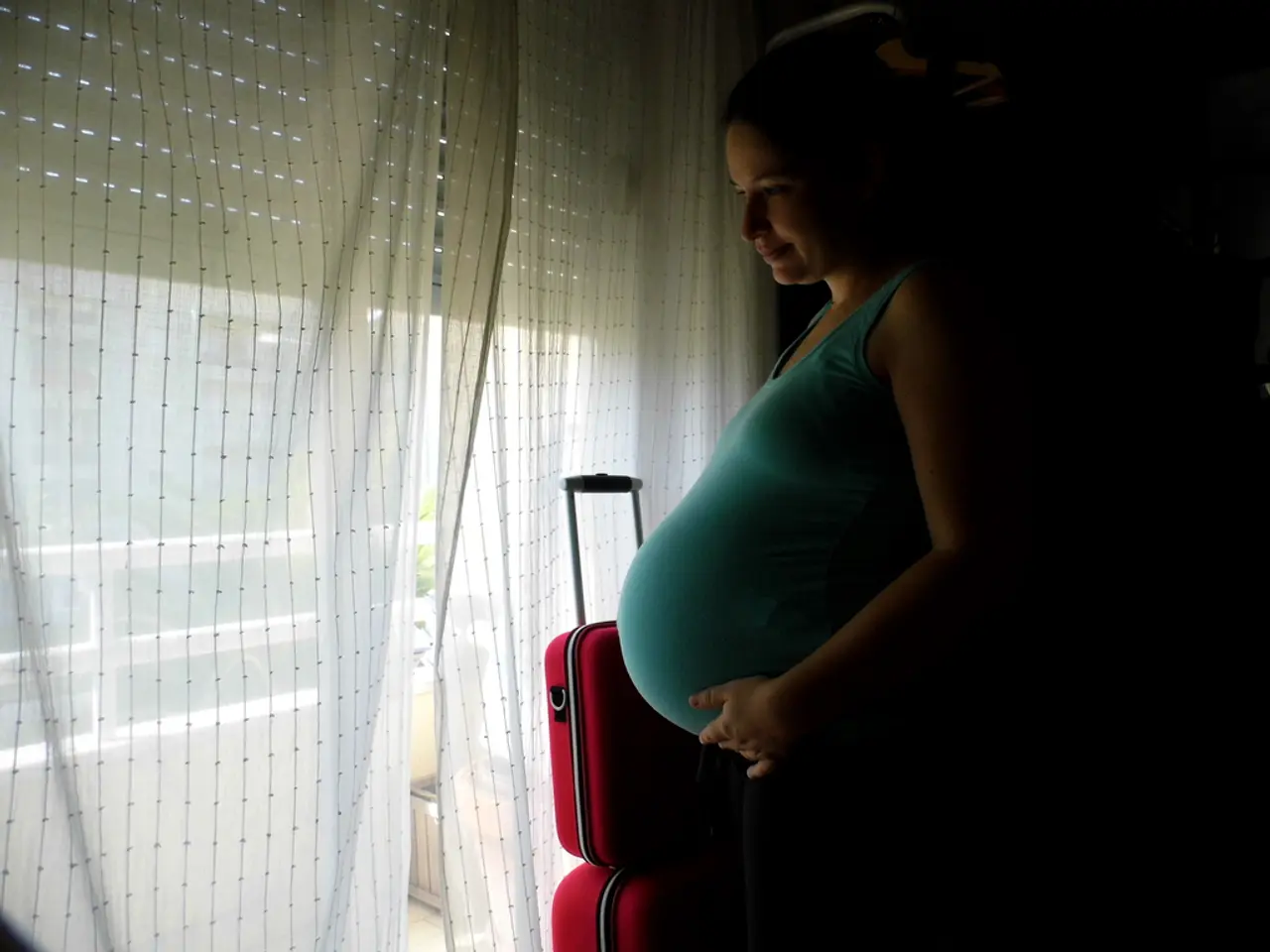
Zika Virus: An Exploration
In recent news, the ongoing threat of the Zika virus continues to pose a significant concern, particularly for pregnant women and those planning to become pregnant. The virus, first identified in Uganda in 1947, has since spread to various parts of the world, including Africa, Southeast Asia, and the Americas.
Currently, regions of concern for the Zika virus outbreak include Maharashtra, India, Singapore (specifically the Woodlands area), and U.S. territories such as Puerto Rico and the U.S. Virgin Islands.
In Maharashtra, an ongoing Zika outbreak has been reported, with major cities like Mumbai, Nagpur, and Pune being affected. The Centers for Disease Control and Prevention (CDC) has issued a Level 2 travel health notice, advising caution, particularly recommending that pregnant individuals avoid travel to this region due to the risk of fetal infection and associated birth defects.
Two cases were confirmed in the Woodlands area of Singapore in June 2025. Authorities have issued precautionary advice, particularly to pregnant women, to protect themselves from mosquito bites and monitor for symptoms.
While sporadic cases continue in U.S. territories, recent data indicate very few confirmed cases in 2025 with no widespread outbreaks reported.
Pregnant women are strongly advised to avoid travel to areas with active Zika virus transmission, such as Maharashtra in India and affected parts of Singapore, due to the risk of the virus being passed from mother to fetus, which can cause serious birth defects, including microcephaly.
In general, pregnant women or those planning pregnancy should consult healthcare providers before travel to any region with Zika risk and take protective measures against mosquito bites and sexual transmission of the virus.
It is important to note that there is currently no vaccine available for Zika virus, so prevention focuses on avoiding mosquito exposure (using insect repellents, bed nets, protective clothing) and practicing safe sex during and after travel to affected areas.
The CDC still considers widespread transmission in the continental U.S. unlikely, but pregnant women are advised to avoid areas known for local transmission, such as the previously identified Miami neighborhood in Florida during past outbreaks.
When symptoms do occur, they are typically mild and can include fever, rash, joint pain, conjunctivitis, muscle pain, headache, and red eyes. Diagnosis of the Zika virus typically involves blood tests to detect the virus or antibodies. If you are experiencing symptoms and have traveled to an area with known Zika transmission, inform your healthcare provider about your travel history.
In conclusion, pregnant women should avoid travel to Maharashtra, India, and affected areas of Singapore, and remain cautious about mosquito exposure in U.S. territories where sporadic cases continue. Consultation with a healthcare provider is essential before travel to Zika-affected regions in 2025.
- Science has shown that the Zika virus can cause serious medical-conditions, particularly in pregnant women and those planning to become pregnant, with fetal infection leading to associated birth defects like microcephaly.
- Health-and-wellness professionals advise pregnant women to consult them before travel to any region with Zika risk, such as Maharashtra, India, and affected parts of Singapore, due to the need for protective measures against mosquito bites and sexual transmission of the virus, as there is currently no available vaccine for Zika.